






In the fast-paced world of online gaming, a smooth connection is usually assumed. But what happens when your broadband hits a snag, or you attempt a quick spin on the train via an unreliable mobile signal? We chose to put Wolf Casino under the microscope, purposefully playing on a restricted, slow internet link to determine if it could still offer a smooth and enjoyable experience for UK players. From loading times to live dealer stability, we analysed every element, predicting problems but potentially finding a reliable platform. This in-depth review digs deep into the performance under pressure, revealing whether Wolf Casino truly stands strong when your network struggles.
Setting the Scene: Our UK Slow Connection Test Parameters
To simulate real-world scenarios encountered by many across the UK—from rural countryside spots to congested urban systems—we deliberately created a challenging setting https://wolfcasinoo.com/. Using network throttling tools, we capped our download speed at a sluggish 1.5 Mbps and upload at a mere 0.5 Mbps, mimicking a poor 3G or a very strained broadband service. We performed tests across different machines: a desktop PC in London, a laptop in a Cornwall café with famously weak Wi-Fi, and a mobile on a moving train between Manchester and Leeds. Our aim was to duplicate the intermittent network access that can trouble players, assessing Wolf Casino’s resilience where it matters most for British players wanting a reliable experience anytime, anywhere.
We timed every action, from the initial site launch to game launches and cashier operations. We noted any graphical degradations, lag in button reaction, and crucially, any disconnections or error messages during gameplay. It was vital to see if the platform used effective data-saving technologies or if it persistently tried to load high-bandwidth content regardless. This starting point gives our results genuine substance; this wasn’t an accidental bad day for our Wi-Fi, but a controlled stress test designed to push Wolf Casino to its boundaries and see how it performs for the UK player on the brink of connectivity.
The Live Dealer Test: Can It Manage the Stream?
This was the toughest test. Live dealer games are resource-demanding, demanding a constant, stable video stream. We joined Wolf Casino’s live lounge with controlled expectations. As expected, trying to load a HD stream of Live Roulette or Blackjack on our throttled connection often led to a lengthy buffering screen or a prompt suggestion to reduce the video quality. When we by hand selected the lowest stream quality available, the stream finally connected, albeit with a considerable latency of 10-15 seconds after real-time action.
This delay makes strategic play, like Blackjack, nearly impossible, as you’d be basing decisions on outdated information. However, for simpler, luck-based games like Live Dream Catcher or Lightning Roulette, the experience was surprisingly viable for casual viewing and betting, once the stream was connected. The audio often stuttered, but the video, while blurry, was consistent. For UK enthusiasts, this means live games are off the table for serious play on a slow connection, but Wolf Casino’s ability to lower stream quality does offer a backup for those just desiring the live atmosphere, as long as tolerance is used.
First Impressions: Accessing the Wolf Casino Lobby on a Crawl
The critical test began as we keyed in the link with our network throttled. The initial load of the Wolf Casino homepage was surprisingly respectable. Even though the entire array of animations and high-resolution banners required additional seconds to load, a working, streamlined version of the site was quick to respond. This points to intelligent layered loading—a key aspect for slow connections. Once in the main lobby, navigation between sections like ‘Slots’, ‘Live Casino’, and ‘Promotions’ experienced a visible pause, but never completely froze. The site continued to work, if requiring patience.
We specifically liked that the essential elements—login fields, balance display, and game search—were given priority. Scrolling through the game library was the biggest hurdle; thousands of game thumbnails appeared gradually in batches. Nevertheless, a always-visible search field and filter options (like ‘Popular’ or ‘New’) helped us bypass endless scrolling. For UK players used to instant gratification, this introductory encounter on a slow connection demands a bit of adjustment, but Wolf Casino’s underlying architecture keeps it from being a total dealbreaker, letting you at least reach your account and key areas without utter exasperation.
Essential Functions: Deposits, Withdrawals, and Customer Support
Beyond gameplay, the operation of banking and support channels is vital. We tried making a deposit via a popular UK method like PayPal and a debit card. The pages for the cashier were sluggish, but the transaction forms themselves were lightweight and submitted without error. The security verifications and redirects to payment portals completed successfully, proving that these important pathways are designed for low data transfer. Withdrawal requests followed the same dependable, if not fast, pattern.
Accessing customer support was a highlight. The live chat widget was quick to load and connecting to an agent was swift, with no dropped conversations. This suggests the chat system runs on a dedicated, efficient protocol. The help centre, a static page of FAQs, loaded entirely in seconds. This is great news for UK players on shaky connections; if you run into trouble, help is readily accessible. Wolf Casino clearly prioritises the stability of these key services, ensuring that handling your money and getting assistance aren’t aggravated by connectivity woes.
Slot Performance: Running Under Pressure
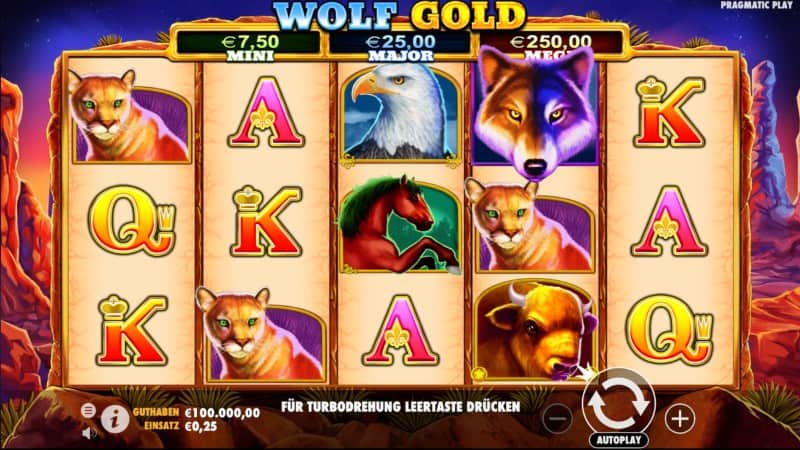
Looking into the slots library, the performance varied notably based on the game provider and its technical profile. Pragmatic Play and NoLimit City slots, for instance, often feature complex animations and bonus rounds. On our slow link, these games took a considerable time to load in the beginning—sometimes up to a minute—but once cached, subsequent spins and basic gameplay were relatively stable. The visual quality auto-adjusted, with some detailed backgrounds appearing slightly pixelated, but the core spinning reels and win animations remained clear and mostly prompt.
On the other hand, classic-style slots from providers like Red Tiger or older NetEnt titles worked more smoothly, with faster load times and minimal lag on spin initiation. The key lesson here is choice. On a poor connection, choosing less graphically intensive games results in a smoother experience. Crucially, we encountered no mid-spin freezes that corrupted the game round; the integrity of each spin was maintained. For the UK player wanting a casual session on a slow train journey, picking your slot wisely at Wolf Casino can mean the difference between a choppy ordeal and a fairly entertaining pastime.
Mobile Gaming: Playing on the Go Across the UK
Playing on mobile on a weak connection is perhaps the most crucial for a lot of UK players. We tried out the official Wolf Casino app (on Android) and the mobile-friendly website on iOS. The app proved much more robust on a poor network. Game loads were speedier from the app, and navigation seemed snappier, probably because core assets are kept locally. The mobile website was more vulnerable to lag during menu transitions but remained fundamentally usable.
Gaming on a moving train with varying signal was the toughest test. The app and site both showed good session persistence; when we briefly lost signal, going back to the same game was often possible without a full reload, though a live dealer stream would, certainly, disconnect. Notifications for bonuses or wins were sometimes delayed but still showed up. For the Brit on a commute, using the Wolf Casino app on a slow but reliable network is a viable option for slots and table games, providing a robust pocket-sized casino that handles adversity more effectively than we thought.
Best Tips for UK Players on Unreliable Connections
Our testing produced actionable advice. First, download the Wolf Casino app if possible; it’s more economical than a browser. Second, pre-load games you enjoy during a good connection; once cached, they’ll run smoother later. Third, be choosy with games: opt for classic slots over cinematic 3D ones, and steer clear of live dealer for competitive play. Fourth, utilize the search function to find games directly instead of scrolling the graphic-heavy lobby. Fifth, verify your device has no other apps draining bandwidth in the background.
Furthermore, consider adjusting in-game settings where available, like deactivating advanced animation. Stick to trusted UK payment methods like BACS or e-wallets for quicker, more reliable transactions. Finally, if you’re organizing a longer session, use Wolf Casino’s ‘Demo’ or ‘Fun’ play modes first to evaluate a game’s performance on your current network without endangering funds. Implementing these simple strategies can transform a potentially frustrating experience into a workable and satisfying one, making sure the wolf can still howl even on a quiet line.
In conclusion, our intentional slow-connection journey through Wolf Casino revealed a platform with notable resilience. While it understandably struggles with bandwidth-heavy features like live dealer streams in HD, its core operations—loading the site, playing select slots, and accessing vital services—remains functional and usable. For the UK player stuck less-than-perfect internet, whether at home or on the move, Wolf Casino demonstrates to be a surprisingly robust contender, offering a feasible, if slightly streamlined, gaming experience where others might fall short completely. With smart game choices and a little patience, the show does indeed go on.